


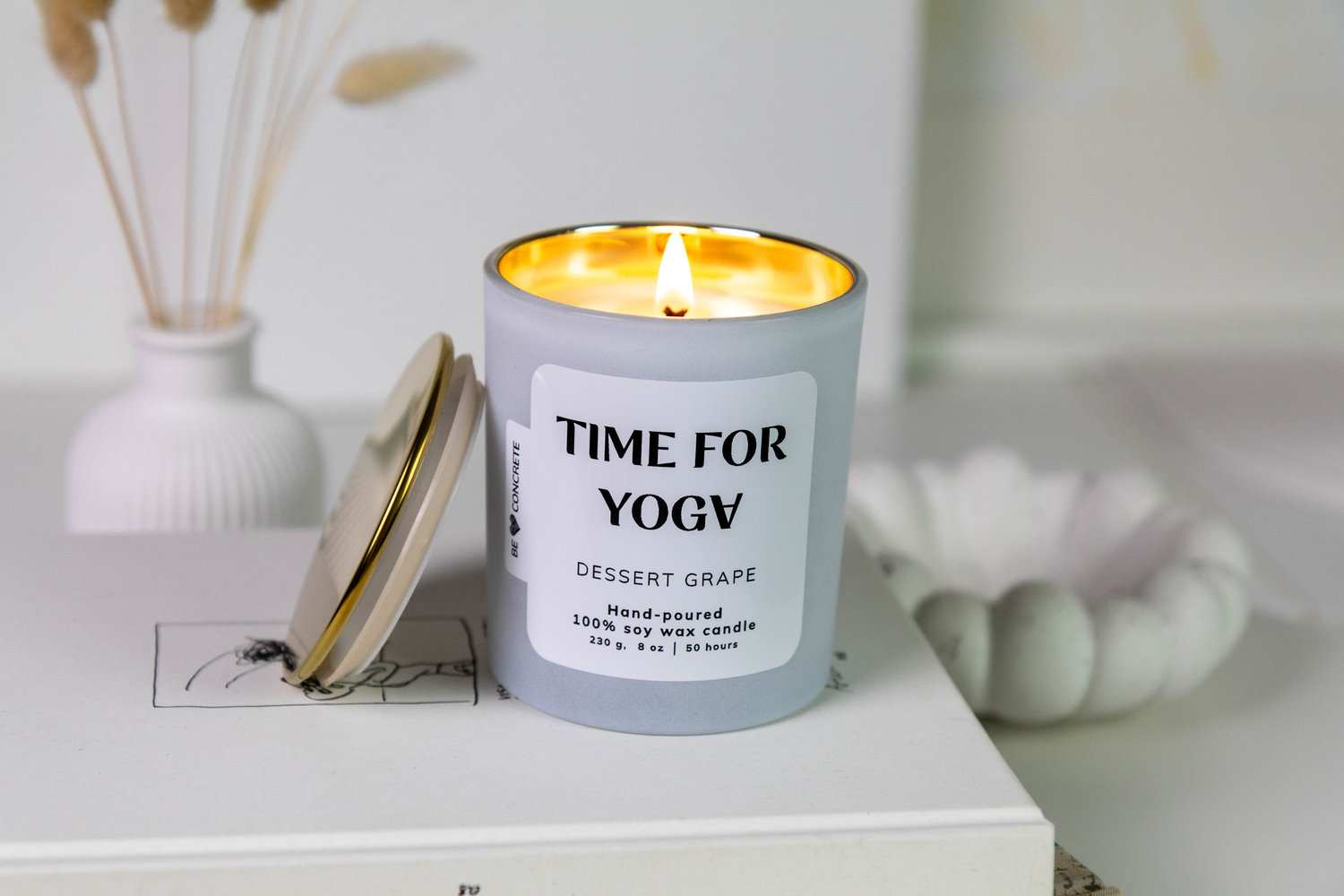
For many of us, lighting a candle is the ultimate ritual. It signals the end of a long workday, sets the mood for a cozy dinner, or helps us find focus during morning meditation. But as we become more mindful of the food we eat and the skincare we apply, a vital question arises: Is burning candles at home safe for our indoor air quality?
The short answer is: It depends on what’s inside. Not all candles are created equal. To help you create a sanctuary that is both beautiful and breathable, here are 5 things every conscious consumer should know about non-toxic candles and clean burning habits.
The Wax Matters: Choose Plant Based Waxes
Most mass-produced candles are made from paraffin wax, which is a byproduct of petroleum (crude oil). When burned, paraffin can release harmful volatile organic compounds (VOCs) like toluene and benzene into your home.
For a clean burning candle, look for natural alternatives like soy wax. Soy wax is derived from vegetables, is completely biodegradable, and burns at a lower temperature. This means it doesn’t just last longer; it burns without releasing the toxic “petro-soot” associated with paraffin.
Decode the Fragrance: The “Safe Scents” Difference
We’ve all experienced it – that “candle headache” caused by an overpowering, synthetic smell. This usually happens because of phthalates, a group of chemicals often used to make fragrances last longer.
To ensure you are using safe scents, choose candles scented with:
- Phthalate-free fragrance oils: Specifically formulated for clean burning.
- Pure essential oils: Plant-derived scents that offer true aromatherapy benefits. At BeConcrete, we prioritize high-quality, IFRA-compliant oils to ensure your home smells divine without compromising your respiratory health.
The Hidden Danger of Lead Wicks
In the past, some candle wicks contained lead cores to help them stay upright. While banned in many regions, cheap imports can still find their way into homes.
A conscious consumer should always verify that their candles use lead-free cotton wicks or natural wood wicks. At BeConcrete, we use textile-grade cotton or hemp wicks that provide a stable, clean flame without any metallic residues.
Master the “Clean Burn” Technique
Even a non-toxic candle can produce smoke if not cared for properly. Indoor air quality is heavily affected by how a candle burns. To keep your air clear:
- Trim the wick: Always trim your wick to about 5mm before every light. This prevents a “dancing flame” that creates excess soot.
- Avoid drafts: Keep candles away from open windows or fans, which can cause uneven burning and smoke.
- Don’t blow it out: Use a candle snuffer to extinguish the flame. This prevents the “after-smoke” from filling your room.
Look for Transparency and Small-Batch Craftsmanship
The safest candles usually come from makers who can tell you exactly what is in their product.
Choosing handmade, small-batch candles ensures that every ingredient is vetted for quality. You can reuse your vessel once the wax is gone, further reducing your environmental footprint.
You don’t have to give up your favorite ritual to stay healthy. By switching to non-toxic candles made from soy wax and safe scents, you can enjoy the glow and the fragrance with total peace of mind.
Ready to upgrade your home ritual? Explore our collection of hand-poured, non-toxic soy candles.
Leave a Reply